Emotional Regulation: 4 Essential Steps to a Calm and Peaceful Nursery Every Day
Mastering emotional regulation starts with something surprisingly simple: the surrounding environment. Every parent is familiar with the “witching hour” – that late-afternoon stretch when overwhelming emotions transform a carefully curated nursery into a chaotic battlefield.
In 2026, we understand that a child’s surroundings are more than just an aesthetic choice; they are a vital tool for shaping long-term emotional well-being. By prioritizing a “Calm-First” design, you aren’t just decorating – you are building a sensory buffer. From the soothing influence of a neutral palette to the grounding nature of soft, organic textures, every intentional detail helps mitigate stress and fosters resilience. Ultimately, a nurturing environment serves as the ultimate anchor against the daily emotional storms every child faces.
Creating a “Calm-First” nursery means moving beyond just decor. It’s about intentional design that lowers sensory input and provides your little one with the “quiet” their nervous system needs to thrive.
Step 1: Mastery of Soft Lighting and Neutral Tones
The first step in emotional regulation is visual. Bright, overhead lights and high-contrast primary colors can actually overstimulate a baby’s developing brain. To foster a sense of peace:
- Layer your lighting: Use dimmable lamps and warm-toned bulbs (avoid blue light).
- Choose a “Nurturing” Palette: Soft sages, warm creams, and earthy terracottas help lower cortisol levels for both you and your baby.
Research shows that high-contrast visual environments can trigger the sympathetic nervous system, making it harder for infants to transition into a restful state. By opting for warm, indirect light, you are physically signaling to their brain that it is time to down-regulate and prepare for rest.
Step 2: Tactile Comfort as a Regulatory Tool
Did you know that skin-to-fabric contact is a major factor in how babies process stress? Rough or synthetic materials can be “itchy” to a sensitive nervous system. This is why we focus on Heritage-quality fabrics.
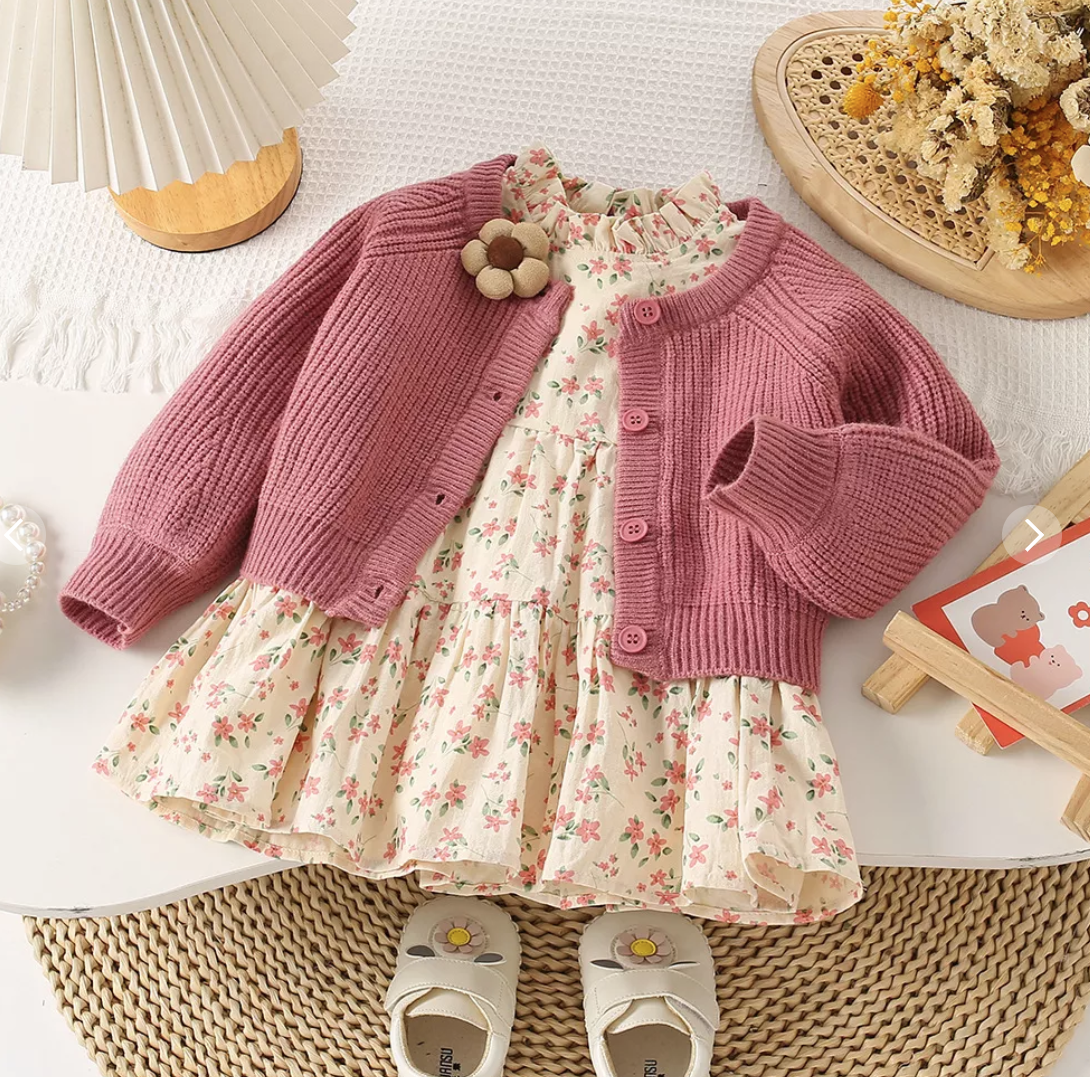
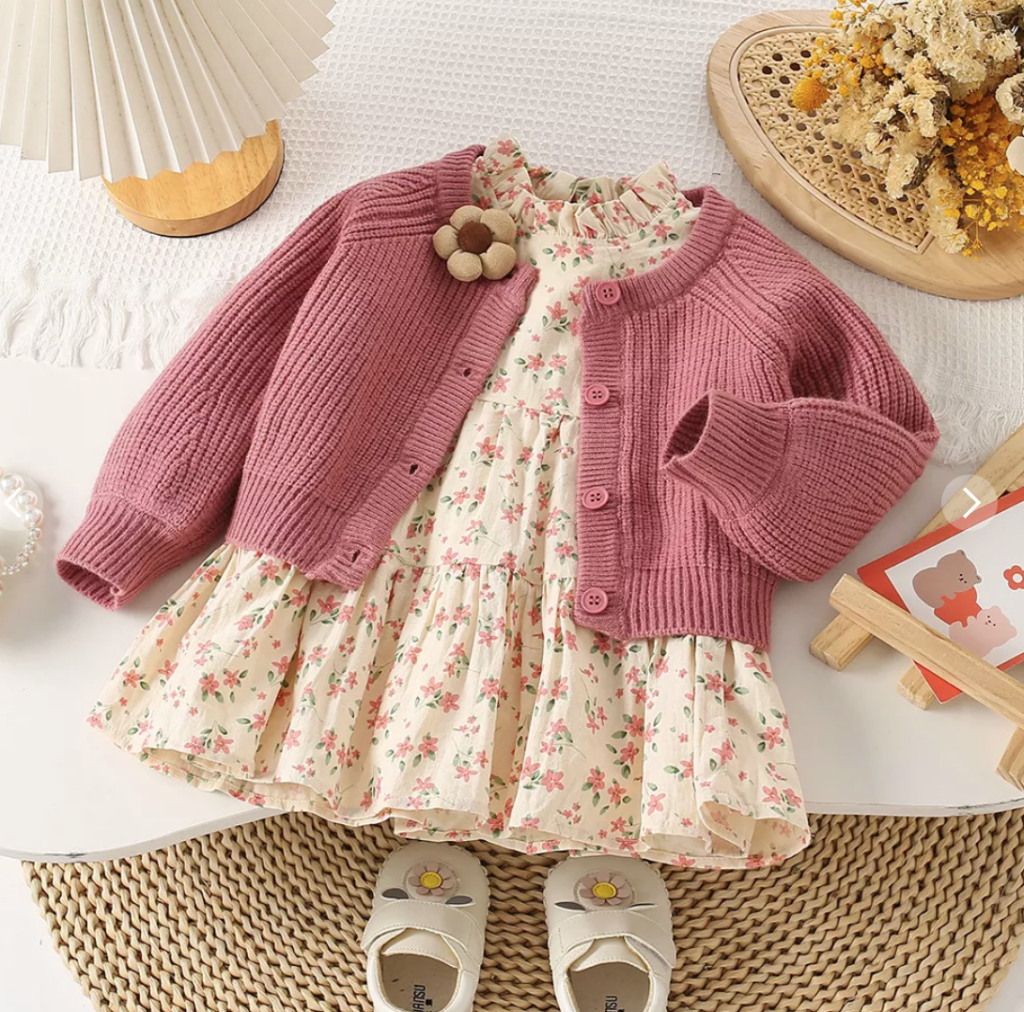
- The Little Luxe Standard: Choosing coordinated pieces like our 2-Piece Floral Dress Set provides a “second-skin” feel. The soft cotton is gentle on skin, and the removable knit cardigan makes it the perfect versatile choice for breezy summer evenings or air-conditioned playdates.
Step 3: Predictable Routines and Visual Cues
Routine is a toddler’s love language. When a child knows exactly what is coming next, their anxiety drops, allowing for much smoother emotional regulation.
- The Morning/Evening Ritual: Use a consistent sequence (Dim lights -> Soft music -> Changing into breathable layers).
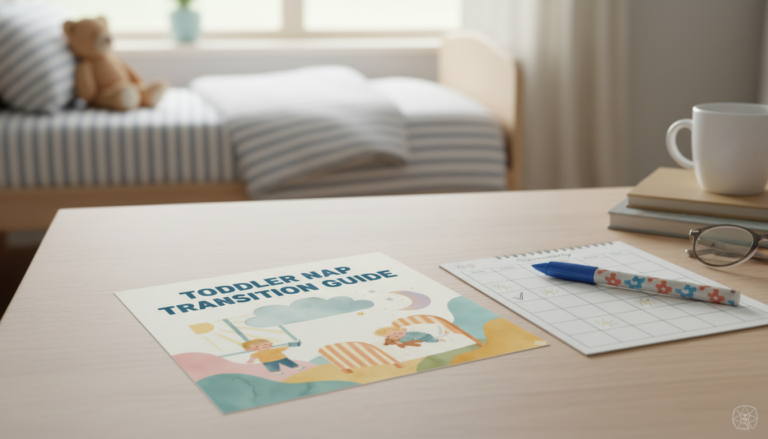
- Customized Planning: Every family dynamic is different, which is why having a structured roadmap is essential. Whether you are navigating the unique challenges of Your Twin Schedule Survival Checklist or looking for the Best Way to Set a Baby Nap Schedule, consistency is your greatest ally.
- Modern Solutions: For the tech-forward parent, learning How to Use AI to Organize Family Schedules can take the mental load off your shoulders, leaving you with more emotional energy for your child.
Step 4: Empowering Yourself with the Right Tools and Sticking to Them
But, let’s be frank: design is only half the battle. The other half is your response as a parent. Understanding the science of why children melt down allows you to stay calm when they can’t. This process, known as co-regulation, means your calm nervous system acts as a “biological anchor” for theirs.
When you maintain a steady voice and a peaceful presence in a thoughtfully designed space, you are essentially teaching their brain how to return to a state of safety. It is a partnership between the room you’ve built and the parent you are becoming.
- Deep Dive: For a complete roadmap on these techniques, our digital eBook, Teaching Kids the Art of Self-Soothing, offers step-by-step guidance on transforming tantrums into moments of connection by mastering the science of emotional regulation.









Leave a comment